A massage and a sauna can both fit into a spa day, but combining them is not automatically better. The right sequence depends less on a rigid wellness rule and more on heat tolerance, the type of massage, the length and temperature of the sauna, your health and how you feel that day.
This matters because sauna is not just passive relaxation. Heat raises skin temperature, increases sweating and changes heart rate and blood-vessel tone. Massage is a separate exposure that can leave some people sleepy, warm, thirsty or briefly lightheaded. Stacking the two calls for more caution—not claims about “flushing toxins.”
Sauna before or after massage: the comparison
| Option | Why someone may choose it | Main drawback | Practical approach |
|---|---|---|---|
| Sauna before massage | Warmth may feel relaxing and make it easier to settle into the session. | You may arrive at the table overheated, thirsty, tired or lightheaded. | Keep it shorter than your usual session, leave time to cool down and begin massage only when you feel normal and steady. |
| Sauna after massage | It may extend the subjective feeling of warmth and quiet relaxation. | Heat and sweating can compound dizziness, fatigue or dehydration. | Sit up slowly after massage, reassess how you feel and choose a shorter or cooler heat session—or skip it. |
| Sauna and massage on different days | Each experience is easier to judge on its own. | Less convenient during a single spa visit. | This is a sensible option for first-time sauna users, people prone to fainting or anyone unsure how the combination affects them. |
| Skip sauna | Avoids an unnecessary heat load. | You miss the sauna experience, not a required part of massage recovery. | Choose this when ill, feverish, dehydrated, using alcohol, already dizzy or following professional advice to avoid heat. |
There is no high-quality comparative trial showing that sauna before massage improves outcomes more than sauna after massage. That uncertainty should shape the advice: choose the order you tolerate, use a conservative heat exposure and do not treat discomfort as evidence that the routine is “working.”
What research actually says
A 2018 systematic review of dry-sauna research found that many health benefits are promoted more confidently than the clinical evidence allows. The review reported potentially useful findings, but the studies varied widely in sauna type, temperature, schedule and participant health. It did not identify a best order for sauna and massage.
In a 2018 experimental study of 102 adults with at least one cardiovascular risk factor, a 30-minute sauna session changed blood pressure and measures of arterial stiffness during the immediate recovery period. That does not prove a treatment benefit from a spa visit, but it shows why heat should not be described as doing nothing more than relaxing muscles.
Recent sauna studies also demonstrate measurable sweating and body-mass loss during prolonged protocols. These studies often use controlled conditions that are more intense than an ordinary spa visit, so they should not be translated into a precise hydration formula. They do support the simple point that sauna can add fluid loss, and more time in the heat produces more strain for some people.
What the evidence does not show is equally important. Sweat is part of temperature control; it is not proof that massage “released toxins” or that a post-massage sauna removes them. The liver, kidneys, lungs and digestive system handle normal waste processing. A sauna may feel pleasant, but that feeling should not be marketed as detoxification.
If you choose sauna before massage
A pre-massage sauna is reasonable for a healthy adult who already knows they tolerate heat. The goal is to arrive at the massage comfortable—not exhausted from proving how long you can stay in.
- Start in an ordinary state. Do not begin if you already feel thirsty, nauseated, feverish, weak or dizzy.
- Use less heat than you would as a stand-alone challenge. Follow the facility’s temperature and time limits, and shorten the session if you are new to sauna.
- Leave at the first warning sign. Headache, nausea, unusual weakness, pounding heartbeat, confusion, dizziness or faintness are reasons to exit and cool down.
- Cool down before the massage. Sit somewhere comfortable until breathing, temperature and steadiness feel normal. Avoid dramatic hot-to-cold plunges when a clinician has advised against them.
- Drink normally. Small, comfortable sips are more useful than forcing a large volume immediately before lying face down.
- Tell the therapist. Mention that you just used the sauna and report any lightheadedness rather than trying to relax through it.
A sauna does not need to “open” muscles for massage to work. If the heat leaves you drained, the practical advantage disappears. A warm shower, comfortable room temperature and a slower start to the massage are alternatives.
If you choose sauna after massage
After massage, first sit up slowly and notice whether you feel clear-headed and steady. If you have a headache, nausea, marked soreness, weakness or dizziness, a sauna is not the next step. Rest in a cooler space instead. Our guides to headache after massage and flu-like symptoms after massage explain why these sensations should not automatically be labeled detox.
If you feel well and choose to continue, make the post-massage sauna shorter or cooler than usual. Avoid turning a relaxing appointment into two long heat exposures. Leave promptly if symptoms appear, and take care when standing because relaxation, heat and changes in blood-vessel tone can combine to make some people lightheaded.
Sauna after massage is optional. It has not been shown to flush massage waste, prevent next-day soreness or make deep work heal tissue faster. For ordinary aftercare, comfortable movement, food according to appetite, normal fluid intake and rest are more defensible than a detox routine. See our deep-tissue massage aftercare guide for a practical checklist.
Steam room or dry sauna after massage?
Steam room
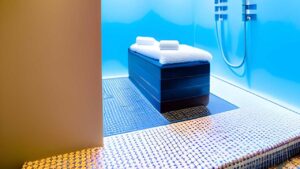
A steam room uses warm, humid air. High humidity slows the evaporation of sweat, which can make a lower air temperature feel intense. Some people like the moist atmosphere; others find it harder to breathe comfortably or cool themselves. Steam may temporarily make skin feel hydrated on the surface, but it does not “open” pores in a way that removes toxins.
Dry sauna
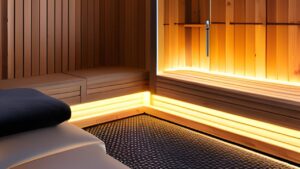
A traditional dry sauna uses hotter air with lower humidity. Sweat can evaporate more readily, yet the heat still places demands on temperature regulation and circulation. Neither dry nor humid heat is universally gentler; temperature, duration, ventilation and individual tolerance all change the experience.
If your spa offers both, do not choose by a claim that one “detoxes” better. Choose the environment you tolerate at a conservative setting, and do not move from one heat room to another simply to maximize sweating.
What about infrared sauna?
Infrared cabins warm the body using radiant energy while typically operating at a lower air temperature than a traditional sauna. Marketing often says this heat penetrates more deeply, detoxifies more effectively or guarantees superior pain relief. Those claims go beyond what comparative clinical evidence can establish.
The 2018 systematic review included both traditional and infrared sauna studies but found varied protocols and limited evidence for many promoted benefits. Infrared heat can still raise body temperature and cause sweating. Treat it as heat exposure, not a shortcut that removes the need for hydration, symptom awareness or medical precautions.
Can you use a sauna after lymphatic massage?
Manual lymphatic drainage is used in specific clinical settings, including some plans for lymphedema. It should not be described as pushing unspecified toxins out of a healthy body. If your massage is part of lymphedema treatment, cancer rehabilitation, post-surgical care or another clinician-directed plan, ask that treating professional whether heat is appropriate for your condition.
Do not assume sauna is required to “finish” lymphatic massage. Heat may worsen swelling or symptoms for some people, and individual plans differ. For a general relaxation massage described as “lymphatic,” the same heat precautions in this guide still apply.
Jacuzzi before or after massage

A jacuzzi or hot tub adds heat, water immersion and a slippery environment. Before massage, it may feel soothing, but you should cool down, dry off and make sure you are steady before walking to the treatment room. After massage, the combination of heat and standing up from the water can increase lightheadedness and fall risk.
Use the same conservative logic as sauna: shorter exposure, no alcohol, no competition over temperature, and no continuation through dizziness or nausea. Hot water is not proven to remove massage toxins or guarantee faster muscle recovery.
Who should skip the combination or get individual advice?
Heat tolerance is not the same for everyone. The CDC notes that cardiovascular disease, diabetes, kidney disease, some medicines and conditions that limit sweating can increase heat-illness risk. The American Heart Association advises people with blood-pressure concerns to discuss sauna use with a health professional and warns against combining alcohol with sauna.
Skip sauna and massage together when you have a fever or acute illness, vomiting or diarrhea, clear dehydration, new dizziness, fainting, chest symptoms, confusion or unusual weakness. Ask for individualized advice if you are pregnant, have unstable heart or blood-pressure symptoms, significant kidney disease, impaired sweating, a recent procedure or take medicine that affects heat tolerance, hydration or blood pressure.
Urgent symptoms are not a spa decision. Confusion, collapse, severe shortness of breath, chest pain, seizure or very hot skin with altered behavior can signal a medical emergency. The CDC lists dizziness, headache, nausea, weakness and heavy sweating among heat-exhaustion signs; worsening symptoms need prompt care.
A practical spa-day sequence
- Arrive having eaten and drunk normally for your needs. Our pre-massage food guide focuses on comfort rather than rigid portions.
- Decide whether sauna is genuinely wanted; it is not required for massage benefits.
- If using sauna first, choose a conservative session and cool down fully.
- Tell the massage therapist about heat exposure and any health considerations.
- After massage, sit up slowly and check for headache, dizziness or nausea.
- Use sauna afterward only if you feel well; shorten it and leave at the first warning sign.
- Do not combine sauna with alcohol or use extreme cold plunges merely to intensify the routine.
Frequently asked questions
Should you sauna before or after massage?
There is no proven best order. Before massage may suit people who enjoy warmth and can cool down fully. After massage may extend a relaxed feeling but can compound heat, sweating and lightheadedness. Your safest choice is the order you tolerate conservatively—or skipping sauna.
How long should I wait between sauna and massage?
There is no evidence-based universal waiting time. Wait until you have cooled down, stopped sweating heavily and feel steady when sitting and standing. If symptoms persist, cancel the second exposure rather than watching a clock.
Is sweating after massage a detox?
No. Sweating mainly helps regulate body temperature. Massage has not been shown to release a special load of toxins that must be removed in a sauna.
Can I drink alcohol before a sauna and massage?
No. Alcohol can worsen judgment, dehydration and lightheadedness. The American Heart Association specifically advises against mixing alcohol and sauna.
What if I get a headache or feel sick?
Stop the heat exposure, move to a cooler place and rest. Sip fluid if you are awake and able to drink. Seek medical help for severe, worsening or persistent symptoms, vomiting, fainting, confusion, chest pain or breathing difficulty.
Bottom line
Sauna before or after massage is a preference decision bounded by safety, not a detox formula. Research does not establish one superior order. If you combine them, keep the heat conservative, cool down before massage, reassess after massage and stop for dizziness, nausea, headache, unusual weakness or confusion. Sometimes the better spa routine is simply the massage.
